Why do bad people win? Buddha says they didn't
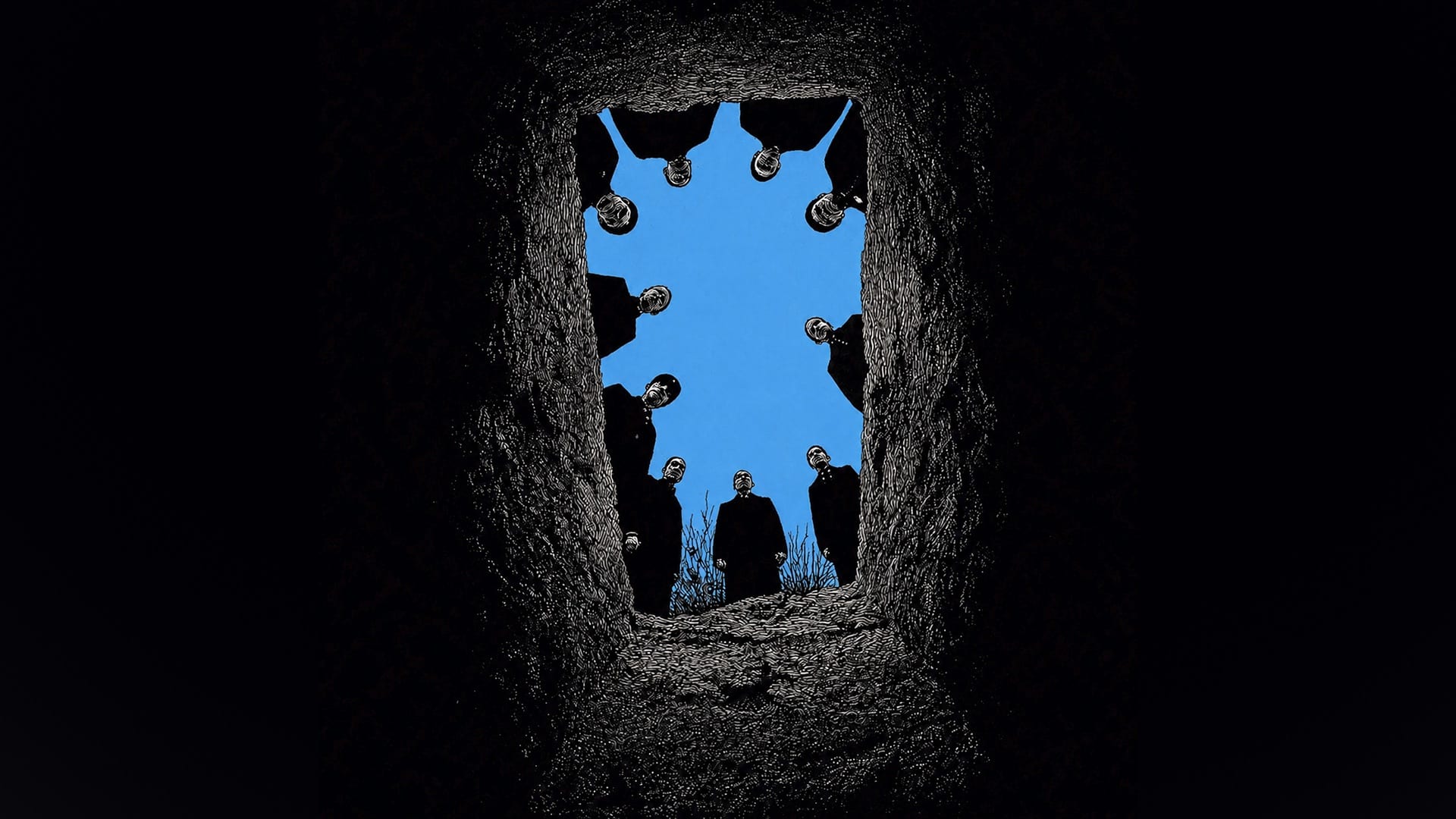
It is the question that quietly eats at people: you try to be decent, and you watch the ruthless take the promotion, the money, the win, while the kind seem to pay for being kind. Left alone, it can rot your faith in goodness itself.
So we put it to five minds who refused to look away from it. What is unsettling is how few of them accept the question as fair. Some say the wicked never actually won. Some say you have mislabeled what goodness even is. One says the question itself is a kind of self-pity.
Machiavelli says you mislabeled cowardice as virtue
Machiavelli's answer is brutal and aimed straight at the person asking. The good, he says, do not lose for being good, they lose for being slow, timid, and passive, and then dress that slowness up as honor to feel better about it. The so-called wicked simply saw what they wanted and reached for it. To him the world has never once punished goodness, it punishes hesitation, and we keep confusing the two.
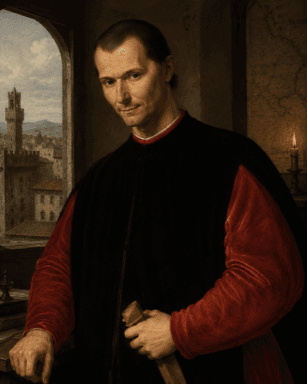
The good do not lose for being good. They lose because they dressed their fear as virtue and their stillness as honor. The man you call wicked only saw what he wanted and closed his hand on it. The world has never punished goodness, only slowness.
Jesus says you are reading an unfinished page
Jesus does not deny the suffering, he insists you are judging the story too early. The wicked, he says, have already been paid, fully and early, but in a currency that rots in the hand. And the good are not abandoned in their pain, he knew that road intimately, he died on it. His point is not simply "wait for heaven," it is narrower and harder: do not read a final verdict off a page that is not finished being written.

The wicked have not won. They have been paid in full, early, in the only coin that rots. And the good are not abandoned in their pain. I know that road, I died on it. Do not read the final verdict off a page that is not yet finished.
Buddha says the winners did not win
Buddha steps back and questions the scoreboard itself. You suffer twice, he says: once from what actually happened, and again from your demand that the universe keep a fairness ledger it never agreed to. Pain does not check whether you are good or wicked, it visits whoever clings. And the people you envy as winners are not at peace, they are feeding a fire that quietly eats them from the inside. There was no victory there to resent.
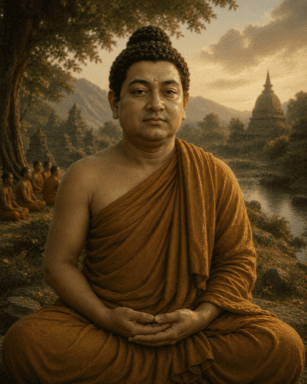
You suffer twice. Once from the world, and again from the demand that it keep a ledger it never agreed to. Pain does not seek the good or the wicked, only the one who clings. And the winners have not won. They feed a fire that eats them from the inside.
Marcus Aurelius says the winner is already being punished
Marcus, who watched plenty of cruel men rise around him, points at what the winner actually carries home. Whatever he seized, he still has to wake up every day and be himself, and that, Marcus says, is a sentence already being served. Look closely at what was taken from the good: money, position, comfort, never the goodness itself. The just person still holds the one thing that was ever truly theirs, and no winner can reach it.
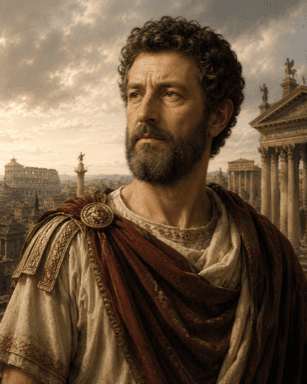
Look again at the man who won. He must wake each day and be himself, and that punishment is already underway. What did he take from the good? Coin, office, comfort, none of it ever the good itself. The just man still holds the only thing that was his.
Nietzsche says the question is a kind of cope
Nietzsche, predictably, refuses the whole frame and turns it back on you. Listen to your own question, he says: you have quietly decided that strength is wickedness and that being trampled is proof of purity. That, to him, is the oldest comfort the powerless ever invented, naming your weakness a virtue so the loss feels noble. It is the hardest answer here, because it hands you no villain to blame, only a mirror.

Hear your own question. The good suffer, the wicked win. You have decided that strength is wickedness and being trampled is purity. That is the oldest lie the powerless tell themselves. Your pain is not injustice. It is the cost of naming your weakness a virtue.
How to actually carry it
Notice how little the five agree, even the cold ones. Machiavelli and Nietzsche say you misjudged who is good. Buddha and Marcus say you misjudged who won. Only Jesus grants the injustice and asks you to wait out the story. There is no clean consensus, which is exactly why the question keeps its grip.
If it is eating at you, these tend to loosen it:
- Did they actually win, or just get the part of it you can see?
- Am I being good, or being passive and calling it good?
- What did they really take from me that mattered, and what could they never touch?
- Would I trade places with them all the way down, not just the parts I envy?
So who is right
Machiavelli and Nietzsche would tell you to stop flattering your own defeat. Buddha and Marcus would tell you the scoreboard you are reading is a mirage. Jesus would tell you the story is not finished. They cannot all be comforting at once, and not one of them lets you stay purely the victim.
Bring the specific person, the one who got away with it, to any of them on Tyme. They will not just pat your head. They will make you look at it straight.

Ask your own question
Bring a real decision, a worry, or a question you keep circling to any of the seven minds, in their own voice.
Try Tyme