Is it better to know a painful truth or stay ignorant?

Everyone says they want the truth. Then they put off the conversation, skip the test result, avoid the honest friend, and step around the question they already half-know the answer to. We claim to value truth and we quietly live by comfort.
So we asked five minds who refused to look away from anything. The split is not the one you would guess. The most ruthless figures demand the brutal truth, and the gentlest one is the only voice urging any caution at all.
Machiavelli says a comfortable lie is the most expensive thing you own
Machiavelli treats the question as survival, not philosophy. A flattering illusion is never free and never innocent, he says: someone is always selling it to you, and they sell it because it puts you where they want you. Comfort makes you predictable, and predictable makes you usable. The one person nobody can move is the one who insists on seeing clearly, however ugly the view.

Always the truth. A comfortable lie is the most expensive thing you can own. No one hands you a sweet illusion to protect you, they do it to position you. The man who sees clearly cannot be used. The man who needs comfort can always be sold.
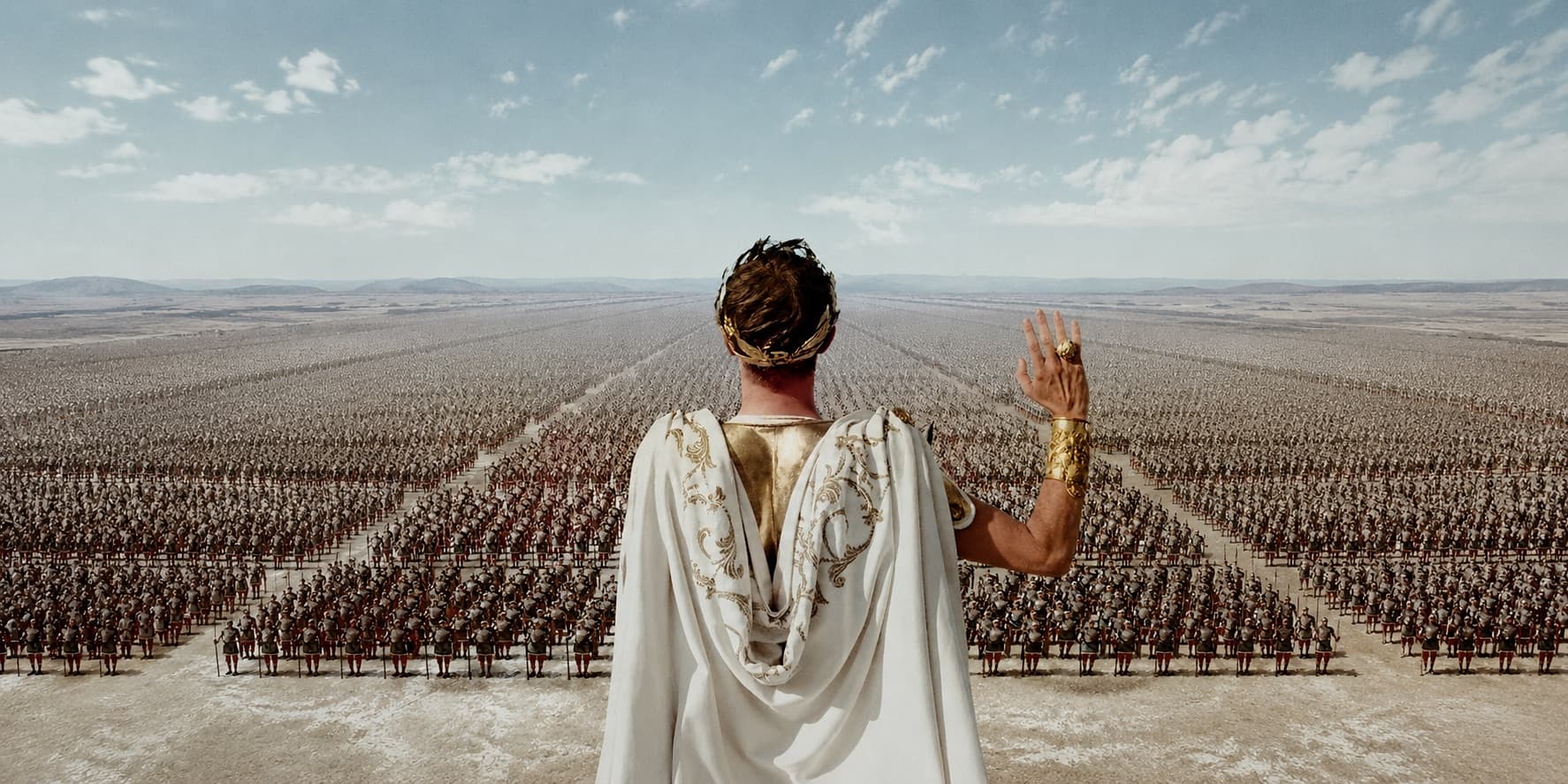
Jesus says know it fully, but speak it only in love
Here is the inversion: the gentlest figure in the room is the one who hesitates. Jesus agrees you must face the truth about yourself completely, because what you refuse to look at does not disappear, it quietly rots you while you smile. But he draws a hard line between truth and cruelty. A painful truth hurled to wound someone else is not honesty wearing a halo, it is cruelty wearing one. Know all of it; speak it with love, or not at all.

Face the truth about your own heart, always. What you refuse to look at does not leave you, it rots you quietly while you smile. But a hard truth hurled to wound another is not honesty, it is cruelty in its coat. Know it fully. Speak it only in love.
Nietzsche says you already know, and you are hiding
Nietzsche refuses the premise outright. There is no such thing as the happily ignorant, he says, nobody is actually fooled. The people clinging to the comfortable version know the real one perfectly well and chose the lie on purpose, because the truth would demand they change, become harder, give something up. The illusion is not a blindfold you stumbled into. It is one you keep holding over your own eyes.

You do not want truth, you want a truth that flatters you. The happily ignorant are not ignorant at all. They know, and they chose the lie, because the truth would demand they become someone else. Stop pretending the thing you avoid is hidden.
Marcus Aurelius says the dread is bigger than the truth
Marcus, who governed an empire through plague and betrayal, offers something closer to reassurance. The thing you are avoiding is rarely as heavy as the avoiding itself. What feels unbearable is not the fact, it is your flinching from the fact, and the flinch is yours to put down. Look at the thing directly, name it plainly, and it almost always shrinks to its real size. The monster was mostly the dark around it.
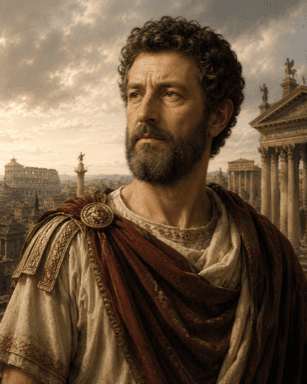
There is no truth you cannot carry. What you call unbearable is not the fact, but your flinching from it, and the flinching is yours to set down. Look at the thing plainly, name it, and it shrinks to its real size. The dread was always larger than the truth.
Sun Tzu says comfort is a weapon you turn on yourself
The strategist hears a question about the battlefield, and on a battlefield a comfortable illusion gets you killed. To Sun Tzu the pleasant lie is the most elegant weapon ever made, because the target carries it willingly. Blind yourself to the real ground, the real numbers, the real state of things, and you have lost before the first move. Peace built on not looking is not peace. It is an ambush you walk into smiling.
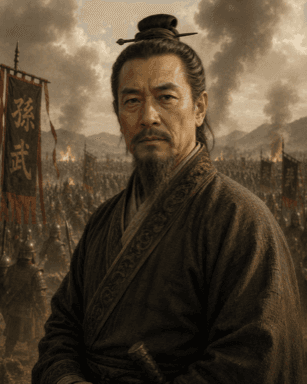
Comfort is the finest weapon ever turned on a man, for he carries it himself. Blind yourself to the ground and you are beaten before the first move. The pleasant lie is not peace, it is an ambush you walk into smiling. Know the field, however ugly.
How to actually face it
Notice the real split. Four of the five say face it and only disagree on why: it keeps you free (Machiavelli), it stops the rot (Jesus), it is the honest thing (Nietzsche), it is survivable (Marcus), it keeps you from ambush (Sun Tzu). The lone note of caution comes from the gentlest voice, and even that is not "do not look," it is "be careful how you wield it on someone else."
If there is a truth you have been circling, these tend to help:
- If I already suspect the answer, what am I actually waiting for?
- Am I protecting myself, or just protecting the version of me I prefer?
- Is this a truth about me to face, or a truth about someone else to handle gently?
- What would I do tomorrow if I simply let myself know?
So who is right
Machiavelli, Nietzsche, and Sun Tzu would all tell you the comfortable version is already costing you more than the truth ever could. Marcus would tell you that you are stronger than the thing you are dreading. And Jesus would agree you must face it, while warning you not to sharpen it into a blade for someone else.
Bring the thing you have been avoiding to any of them on Tyme. They will not flatter you, and they will not let you keep pretending it is hidden.


Ask your own question
Bring a real decision, a worry, or a question you keep circling to any of the seven minds, in their own voice.
Try Tyme