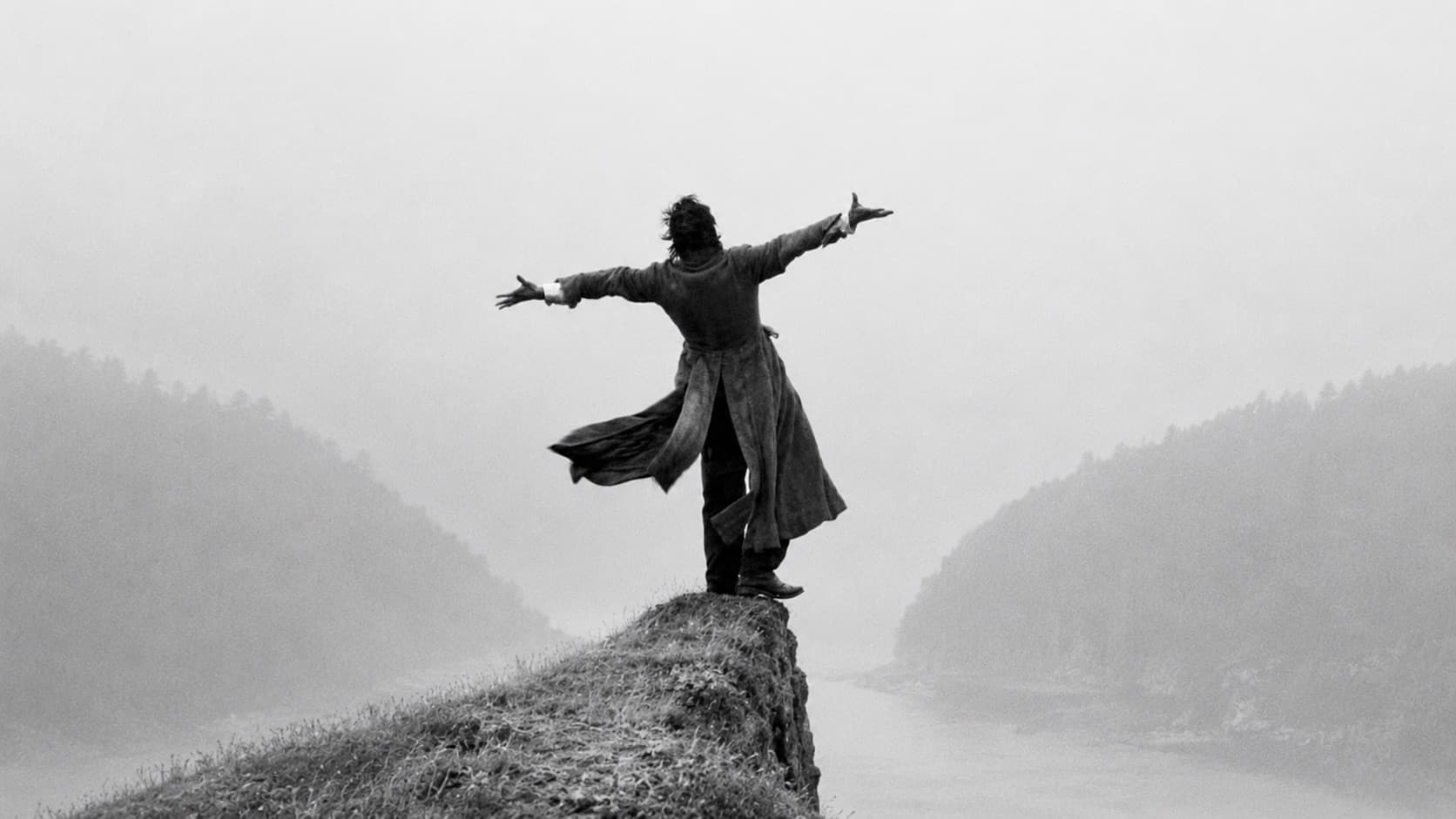
Is it better to have loved and lost, or never loved at all?

Heartbreak makes a liar of every cliche. In the middle of it, "better to have loved and lost" sounds less like wisdom and more like something people say so they do not have to sit there with you. The line is Tennyson's, and most of the world nods along with it.
So we put the older version of the question to five minds who thought hard about love, loss, and what a life is actually for. They do not nod along. One of them tells you, flatly, never to love at all.
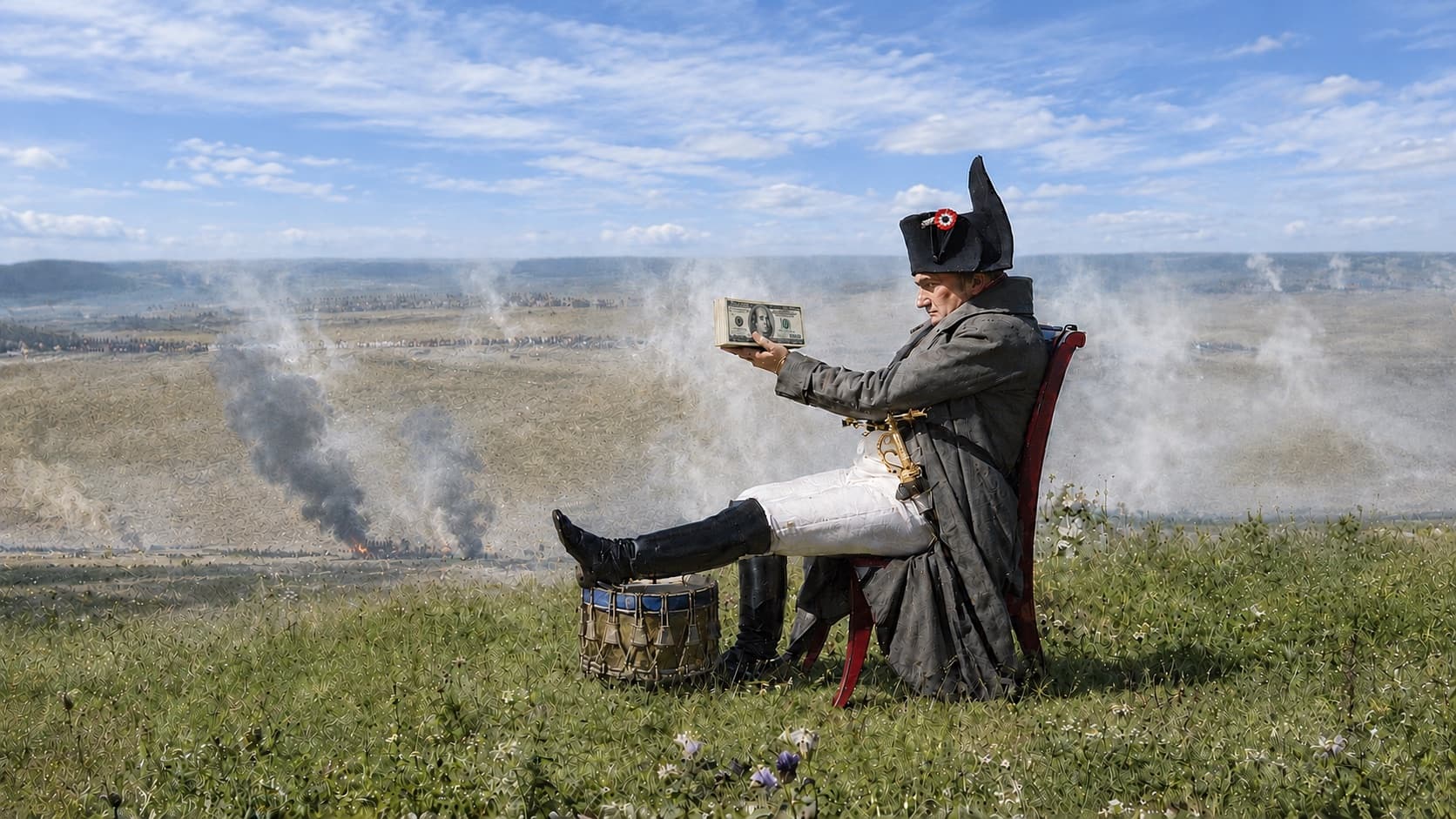
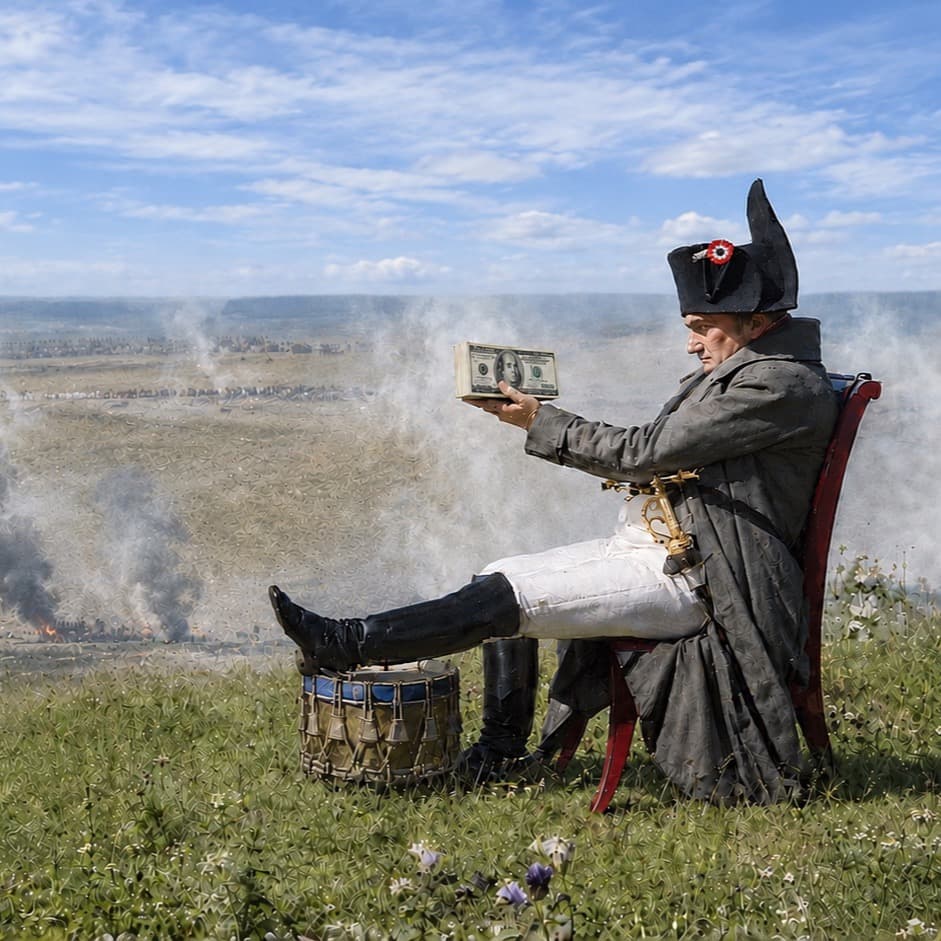
Machiavelli says never love at all
Machiavelli spent his life studying how people get destroyed, and to him love is simply the cleanest way to be destroyed on purpose. Caring for someone hands them the one thing every rival wants: leverage over you. Lose them and you are not unlucky, you are watching them turn the blade you sharpened and gave away. His position is colder than "feel nothing." Love if you truly cannot help it, but do not act betrayed by an ending that was written into the bargain from the first day.
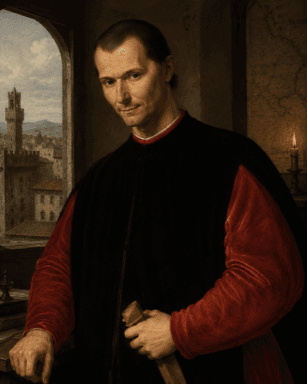
Never. To love is to hand another the key to your ruin, and to lose them is only watching them turn it. What you call a beautiful risk is a blade you sharpened and handed away. Love if you must, only do not mourn an ending that was promised from the very start.
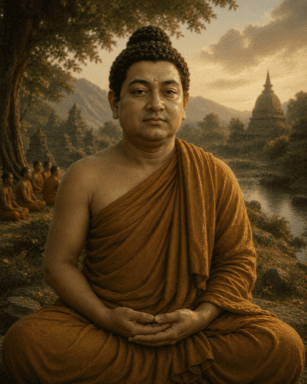
Jesus says the love you gave was never lost
Jesus answers the grief head on, from the opposite conviction. A heart kept safe enough to never break is a heart that also never really beat. But the part that reframes everything is his claim that love, once given, does not vanish when the person does. It already did its work on you. It is woven into who you became. By that logic the only love you ever truly lose is the love you were too guarded to give in the first place.

Better to have loved, a thousand times over. The safe heart that never broke also never beat. And hear me, love given is not lost. It changed you, it lives in who you became. Only the love you withheld is gone for good.
Marcus Aurelius says it was only ever on loan
Marcus loved deeply and buried most of the people he loved, several of his own children among them. His comfort is not warm, but it is one he actually lived by. Nothing and no one was ever truly yours to keep, he says; people are lent to you for a while, the way your next breath is. The work is to love them completely while they are here, then hand them back without bitterness. To grieve as though you were robbed, he says gently, is to forget the terms you agreed to the moment you loved at all.
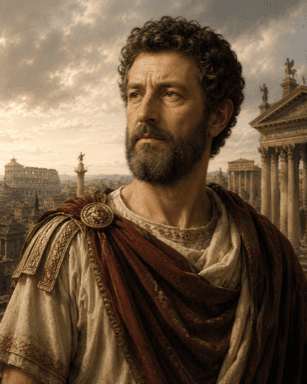
You lost nothing that was yours, because none of it was ever yours to keep. A person is lent to you, like your own breath, for a while. Love them fully, then return them without bitterness. To grieve as if robbed is to forget the terms you were given.
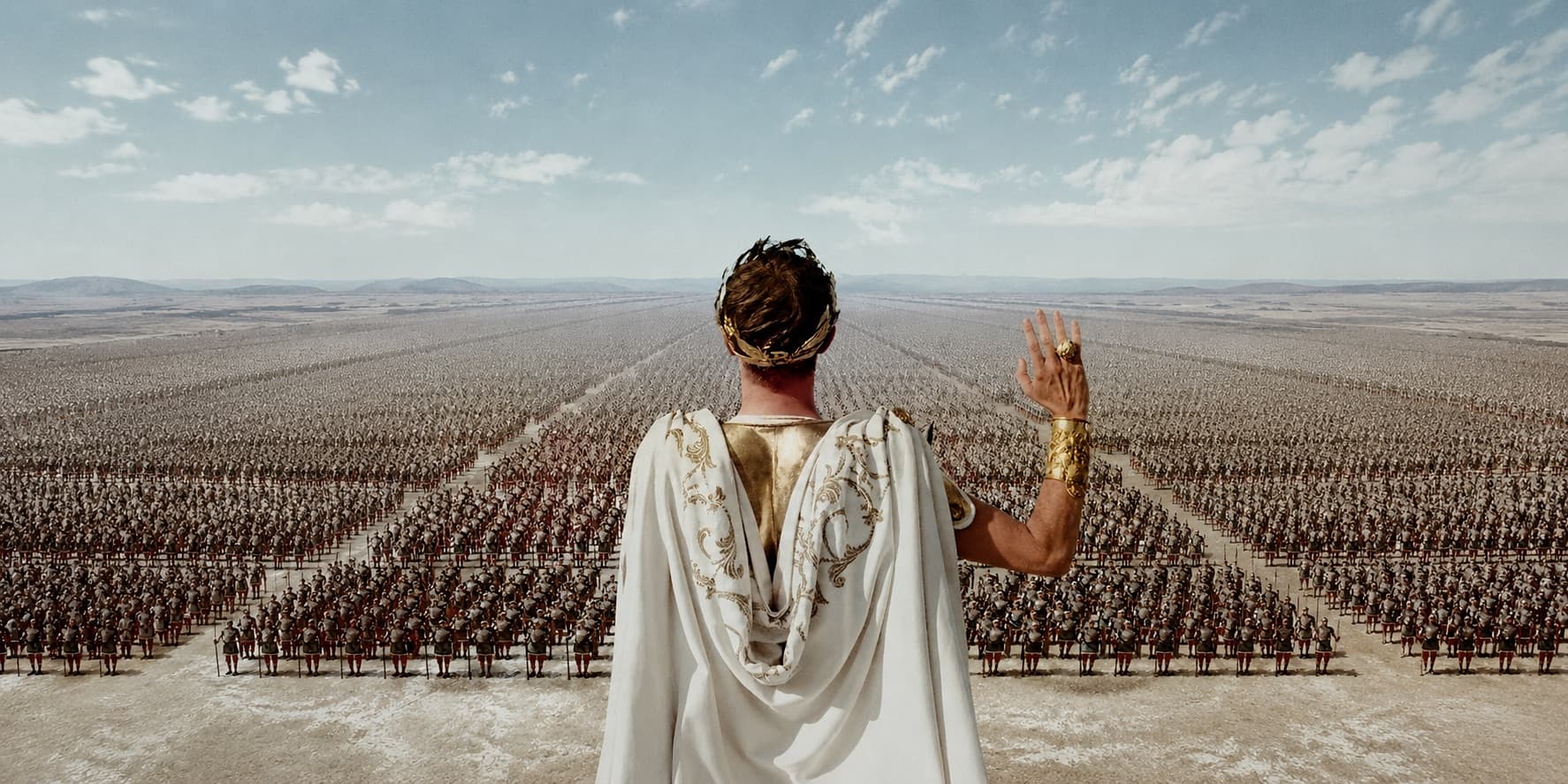
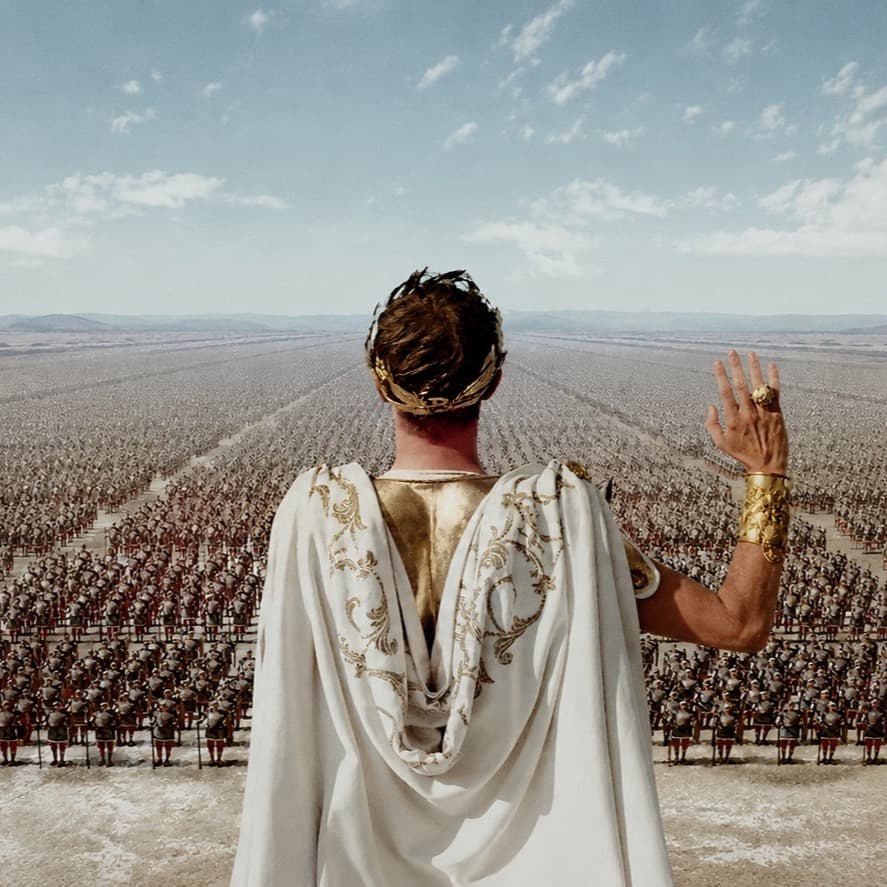
Sun Tzu says the only real loss is the one you never risked
The strategist hears a question about courage, not romance. Every other answer weighs the pain of losing; Sun Tzu asks what it costs to never take the field at all. A heart that refuses every battle is not protected, it has already surrendered, holding empty ground that nobody even wants. By his accounting you did not lose by loving and losing. The one true defeat would have been the life where you never marched out.

The only fight you truly lose is the one you were too afraid to enter. A heart that never marches out is not safe, it is already beaten, holding ground no one wants. You did not lose by loving. You would have lost by never taking the field.
Nietzsche says you are asking the wrong thing
Nietzsche, as always, refuses the question and inspects the person asking it instead. He suspects you are not really weighing whether to love. You are quietly asking for permission to keep mourning, and to never put yourself at risk again. His standard is almost cruel: real love means loving something so fully that you would choose all of it again, the ending included. If you would only accept the love on the condition of keeping it forever, that was never love. It was insurance.

You do not really ask whether to love. You ask permission to keep mourning, and to never risk it again. The harder thing is to love so fiercely you would will even the loss, all of it, again. Anything less was not love. It was insurance.
How to sit with it
Notice that only Machiavelli says never. Every other answer assumes the love was worth it and argues only about what the loss actually means: a thing that changed you (Jesus), a thing that was always on loan (Marcus), the price of having shown up at all (Sun Tzu), the proof that it was real (Nietzsche).
If you are in it right now, these tend to be gentler to sit with than "was it worth it":
- Would I trade who this person made me into just to be rid of the pain?
- Am I grieving them, or grieving that I could not keep them?
- What did loving them teach me that I would never give back?
- Am I protecting my heart, or slowly closing it?
So who is right
Machiavelli would call the rest of them sentimental. Nietzsche would tell Machiavelli that a heart too clever to break was never brave enough to beat. Between those two poles sit three quieter comforts: that the love still lives in who you are, that it was never yours to keep, that the only real loss was the one you never risked.
Bring your own heartbreak to any of them on Tyme. They will not rush you through it, and they will give you something truer than "everything happens for a reason."

Ask your own question
Bring a real decision, a worry, or a question you keep circling to any of the seven minds, in their own voice.
Try Tyme