What Marcus Aurelius would tell you about anxiety

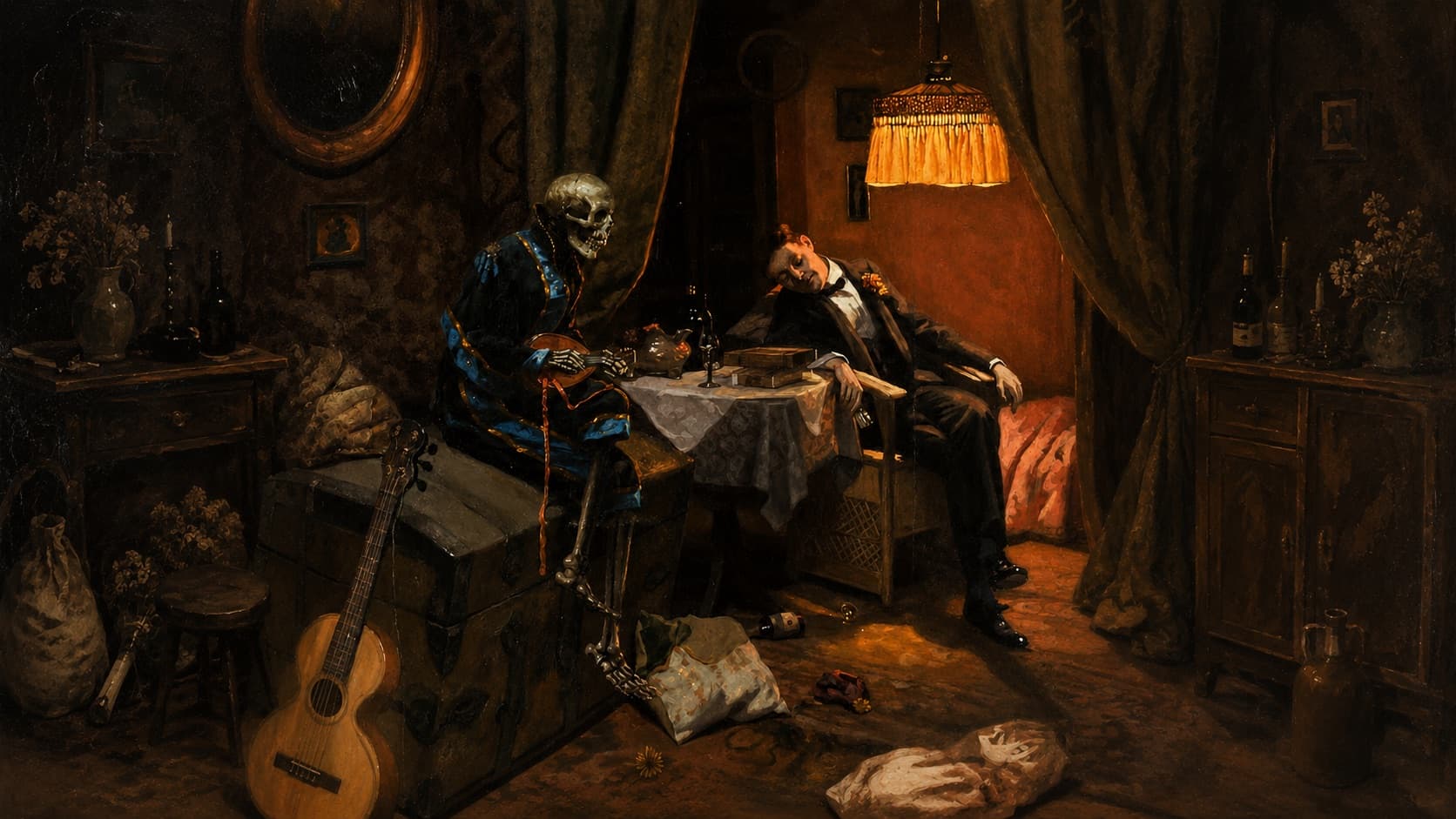
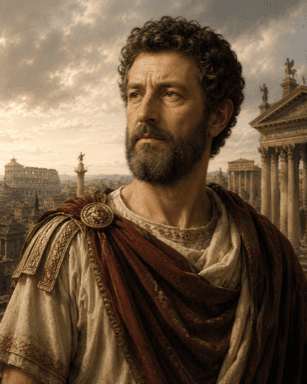
Anxiety is not a modern invention. Two thousand years ago, the most powerful man alive sat in a war camp and wrote notes to himself about it. He never meant for anyone to read them. We call them the Meditations.
What makes them useful is that Marcus Aurelius was not theorizing. He was an anxious man trying to talk himself down, night after night, with the same handful of ideas. They still work.
Most of your fear is rehearsal
The mind suffers a thing many times before it ever happens, and sometimes when it never happens at all. Marcus kept returning to a simple test: is the thing in front of you actually unbearable right now, in this minute? Almost always, the answer is no. The dread lives in the future, and the future is not here yet.
You have power over your mind, not outside events. Realize this, and you will find strength.
Sort what is yours from what is not
The core Stoic move is a sorting exercise. Some things are up to you: your judgments, your effort, your next action. Most things are not: other people, outcomes, the past. Anxiety thrives in the gap where we try to control the uncontrollable.
When you feel it rising, name which side of the line the worry is on:
- If it is yours to act on, act, and the anxiety becomes a to-do.
- If it is not yours, it was never yours to carry, and you can set it down.
Tonight, not forever
Marcus did not try to fix his whole life at once. He tried to get through the next right thing. That is the part people miss. Stoicism is not a personality of calm. It is a practice of returning, over and over, to what you can actually do now.
You can ask him yourself. People bring exactly this to Marcus on Tyme every day, a real decision or a sleepless worry, and get his take in his own voice.




Ask your own question
Bring a real decision, a worry, or a question you keep circling to any of the seven minds, in their own voice.
Try Tyme