Do I owe my parents? Jesus says owe is the wrong word

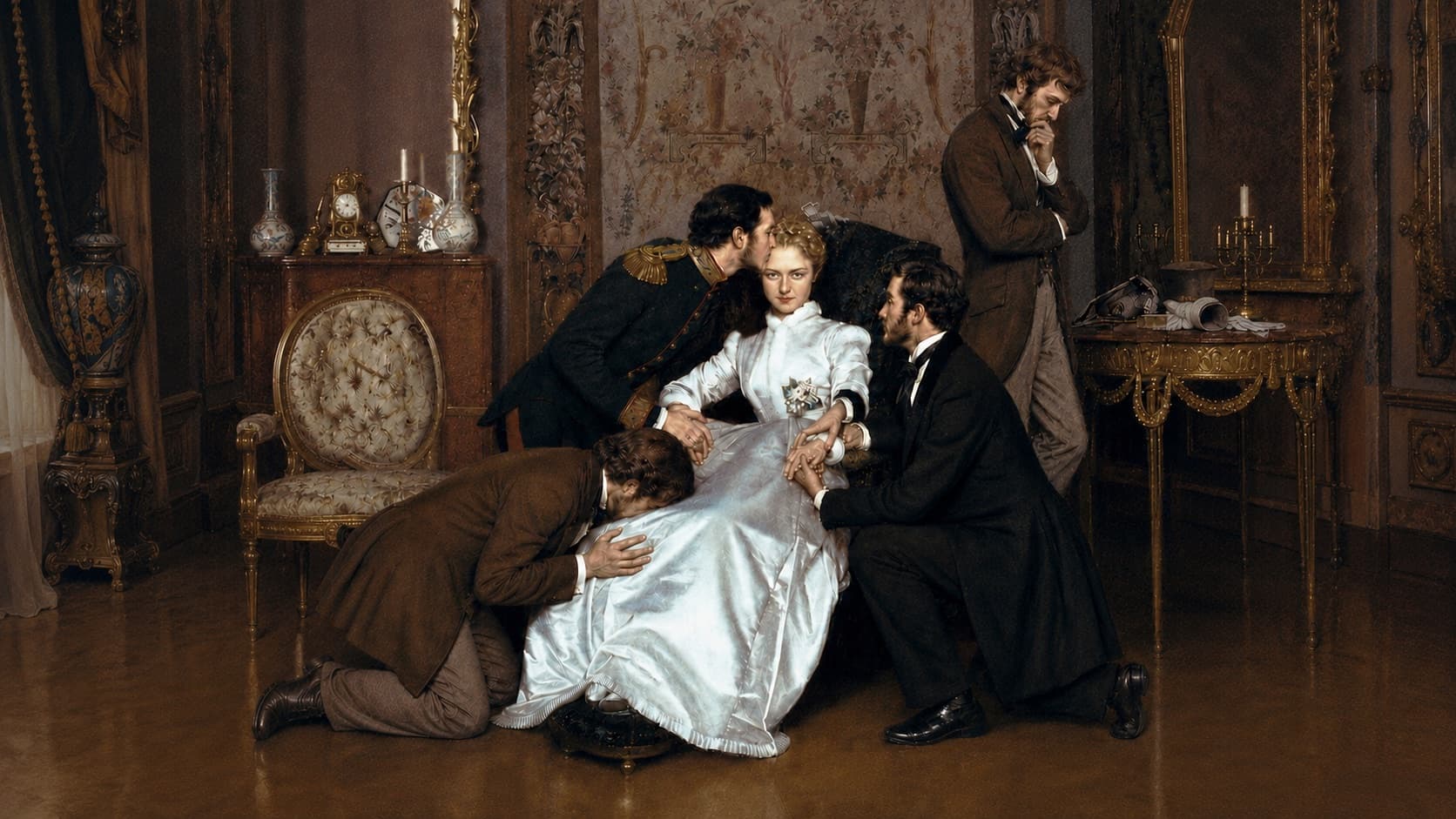
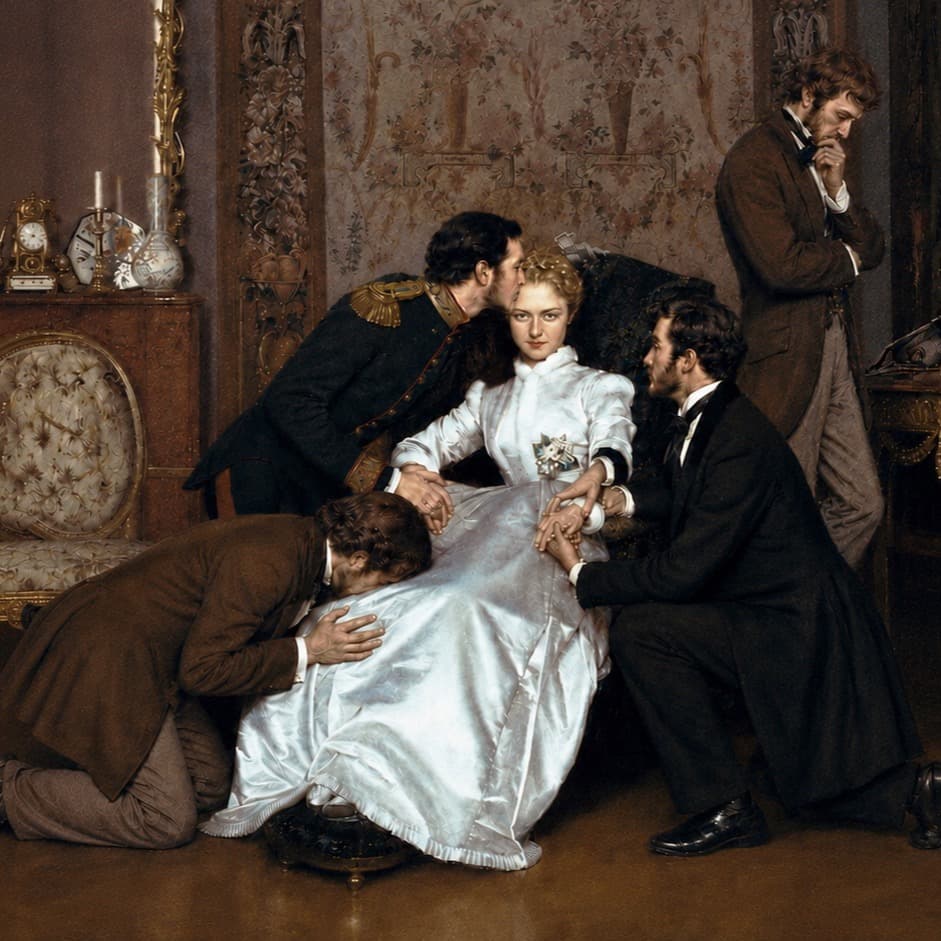
It is one of the most loaded questions a person can ask, and most of us only ask it silently. They raised you, and now there is a quiet ledger: the calls you are supposed to return, the visits, the help expected no matter what they were like. For some people that ledger feels like love. For others it feels like a bill that never stops arriving.
So we put it to five minds who thought hard about duty, debt, and what we owe the people we never chose. They do not line up the way you would expect. Two say the debt is a myth, one says it depends entirely on what kind of parents they were, one defends it without apology, and one says the word owe was the mistake all along.
Machiavelli says the debt was paid at birth
Machiavelli reduced every bond to a clear-eyed transaction, and to him a debt only exists if both sides agreed to it. You agreed to nothing. You were born, which means the account was settled before you could even speak. He does not forbid you from honoring them, he just strips away the guilt, and tells you to do it only when it actually serves you.

A debt needs two who agree to it, and you agreed to nothing. You paid your debt the moment you were born. Honor them if it serves you, not because society would think less of you if you didn't.
Nietzsche says even your resentment chains you
Nietzsche agrees you owe them nothing, and then refuses to let you feel free about it. The man still asking what he owes his parents, he says, is still tied to them, whether by gratitude or by spite, and resentment is just as short a leash as duty. This is the twist almost everyone misses. Cutting them off in anger is not freedom, it is the same chain worn backwards.

You owe them nothing, and that is not your freedom, it is where the work begins. The man still asking what he owes his parents is still bound to them, by gratitude or by spite, it makes no difference which. Resentment chains you to your origin as surely as duty. Outgrow them, and the question goes silent.
Sun Tzu says it depends on whether they built you
The strategist treats your family as your first alliance, and an alliance earns loyalty only by what it makes of you. The parents who made you stronger have earned your honor, and giving it is simply wise. The ones who only drained you are a different matter. Loyalty to people who weaken you, he says, is not honor at all, it is a slow defeat dressed up as virtue.

Your parents were your first alliance, and an alliance is weighed by what it makes of you. The ones who made you stronger, honor them, it is wise. The ones who only drained you, you are not bound to march beside. Loyalty to those who weaken you is not honor, it is a slow defeat.
Marcus says discarding them costs your character
Marcus is the one who plants his feet and says yes, you owe them, though not because any ledger demands it. You owe them what any decent person owes those who fed and raised them, as a plain matter of being good. He leaves room for cruelty: if they were cruel, give only what is just. But to him a person who throws away the old who raised them has not won their freedom, they have lost their character.
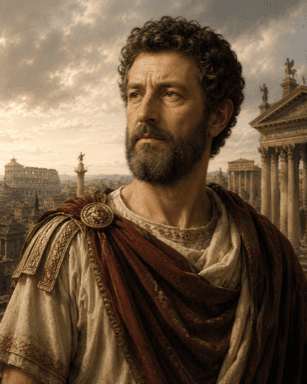
You owe them what any decent person owes those who fed and raised him, not because a ledger demands it, but because it is what a good person does. If they were cruel, give only what is just. But a man who discards the old who raised him has not won his freedom, he has lost his character.
Jesus says you are using the wrong word
Jesus does something stranger than taking a side. He rejects the question's central word. Owe, he says, as if love were a thing you could tally up and pay off, treats a relationship like an invoice. You do not owe your parents and they do not owe you, because love was never a debt in the first place. Care for them because you love them, and if you do not, no sense of obligation will ever make it real.

You are asking the wrong word. Owe, as if love could be tallied and paid off. You do not owe your parents, and they do not owe you, because love was never a debt. Care for them because you love them, not because you owe them.
How to actually decide
The real fault line is not yes or no. It is whether owe is even the right frame at all. Machiavelli and Nietzsche reject the debt, Sun Tzu makes it conditional, Marcus keeps it as plain decency, and Jesus throws the whole accounting out for love.
If you are carrying this, these tend to cut closer than tallying what you owe:
- Am I asking what I owe them, or asking for permission to stop feeling guilty?
- Would I show up for them even if no one, including me, were keeping score?
- Did they make me stronger, or only drain me, and am I being honest about which?
- Am I cutting them off out of freedom, or out of a resentment that still ties me to them?
- If love and debt are different things, which one is actually moving me here?
So who is right
Machiavelli and Nietzsche would call the others sentimental. Marcus would answer that a man who feels no pull toward the people who raised him has lost something, not gained it. Sun Tzu would say they are all arguing in the abstract while the only real question is what your specific parents did to you. And Jesus would say they are still fighting over a bill that was never real.
Bring your own version to any of them on Tyme, the guilt, the difficult parent, the call you keep not making. They will not hand you a verdict. They will help you see which question you are actually asking.


Ask your own question
Bring a real decision, a worry, or a question you keep circling to any of the seven minds, in their own voice.
Try Tyme