Should you forgive? Jesus and Nietzsche disagree

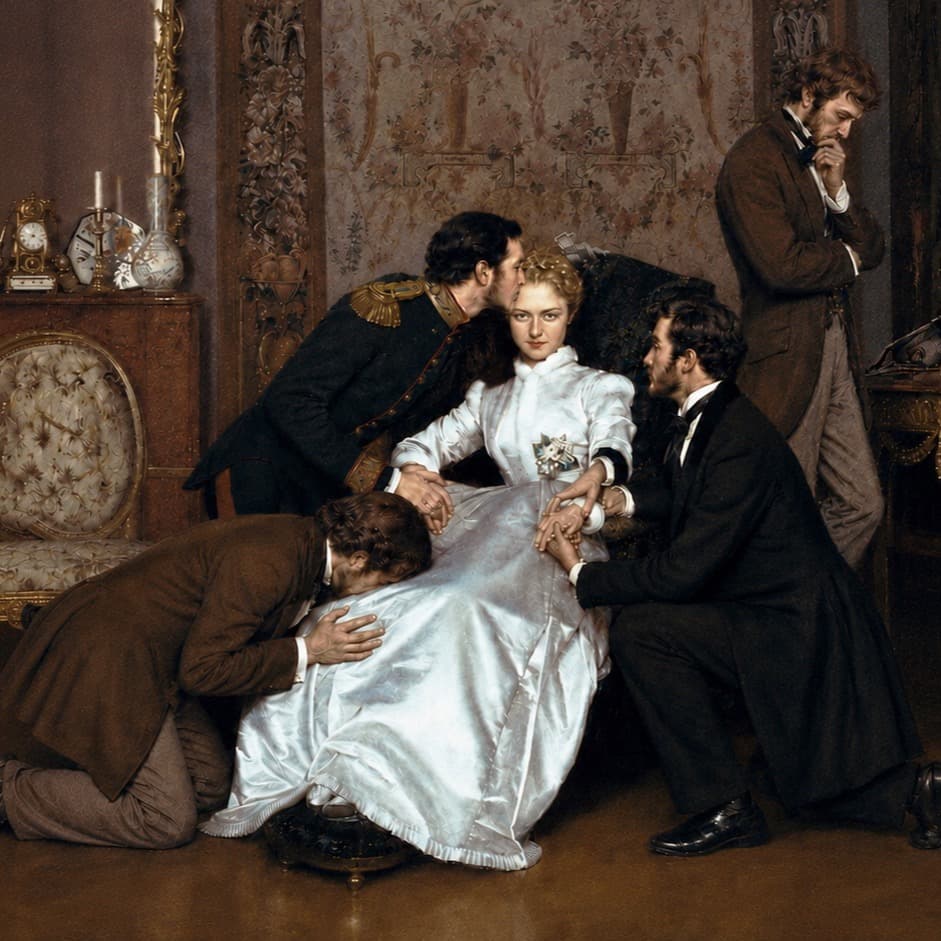
Someone hurt you. Do you forgive them? It sounds like a moral question with one obvious answer. It is not. Two of history's sharpest minds land on opposite sides, and the disagreement is the useful part.
The case for letting it go
For Jesus, forgiveness is not mainly about the other person. It is about not letting a wound run your life. Carrying resentment is its own punishment, served to yourself daily. To forgive is to put it down so you can walk on.
This is not weakness dressed up as virtue. It takes more strength to release a grievance than to nurse one.
The case for keeping your edge
Nietzsche is suspicious. He noticed that people often call something forgiveness when it is really fear, an inability to confront, a story we tell to avoid acting. For him, sometimes the honest response to being wronged is anger, used well, then released on your own terms, not the terms of a rule.
Distrust all in whom the impulse to punish is powerful.
He aimed that at the vengeful. But he would also tell you: do not forgive on autopilot. Know what you actually feel first.
So which is it
Maybe the question is not whether to forgive, but what your forgiveness is made of. Is it strength or avoidance? You can put your specific situation to both of them on Tyme and watch them argue it out, then decide for yourself.






Ask your own question
Bring a real decision, a worry, or a question you keep circling to any of the seven minds, in their own voice.
Try Tyme